

Action Group | Lebanon
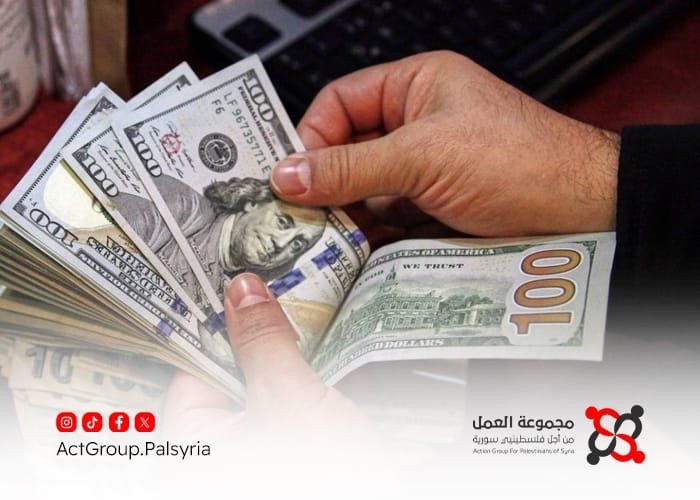
Palestinian activists informed the Action Group that, following their meeting with the Director of UNRWA in Lebanon, the Agency has decided to freeze emergency financial assistance for Palestinian refugees from Syria until next month.
The meeting, which brought together Palestinian activists and the Director of UNRWA in Lebanon, Dorothee Klaus, addressed several critical issues concerning the conditions of Palestinian refugees from Syria in Lebanon. The most pressing issue discussed was the Agency’s decision to suspend cash assistance until next March. Additionally, uncertainty remains regarding whether the assistance scheduled for the following day will be disbursed or halted indefinitely.
Another key point of discussion was the renewal of residency permits for Palestinian refugees from Syria. UNRWA confirmed that it is actively coordinating with Lebanese authorities and the General Security Service to facilitate the extension process.
Activists believe the freeze on assistance stems from UNRWA’s ongoing financial crisis, compounded by the suspension of funding by certain donor countries. This has resulted in a severe financial deficit for the Agency, making it increasingly difficult to sustain financial aid for Palestinian refugees.
The crisis has been further aggravated by delays in disbursing pledged funds from donor countries, significantly impacting UNRWA’s ability to fulfill its commitments to Palestinian refugees.
The suspension of cash assistance will deepen the suffering of Palestinian refugees, the majority of whom rely on these funds to secure essential needs such as food, medicine, and shelter.
The freeze on assistance is expected to cause a sharp deterioration in the humanitarian situation, particularly for vulnerable groups, including children, the elderly, and the sick. It will likely exacerbate poverty and hunger, pushing some refugees to desperate measures such as selling their belongings or resorting to begging.
Additionally, the suspension of aid could escalate social tensions between Palestinian refugees and host communities. Many refugees may experience frustration and despair, potentially leading to a rise in crime rates.