

Action Group – Lebanon
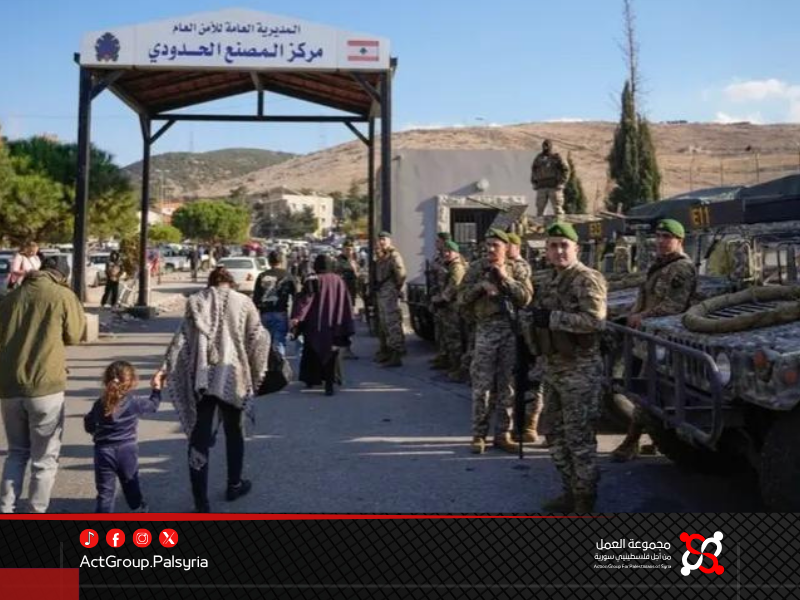
The UN High Commissioner for Refugees (UNHCR) in Lebanon has unveiled a joint action plan for 2025 aimed at facilitating the voluntary return of approximately 400,000 Syrian refugees ”” including 5,000 Palestinian refugees who had fled Syria to Lebanon.
Described as the “best possible scenario,” the plan comes amid unprecedented financial challenges faced by humanitarian agencies and worsening living conditions for refugees in Lebanon.
According to UNHCR spokesperson Lisa Abou Khaled, the plan includes a package of support measures to ease the return process, such as financial assistance, transportation, and help with obtaining necessary documentation inside Syria to ensure an orderly and legal return.
The plan is being introduced against a backdrop of severe funding shortages that have forced UNHCR and its partners to implement drastic austerity measures. Since January, cash assistance has been cut by 65%, resulting in the loss of support for 350,000 of the most vulnerable refugees. A further 200,000 are at risk of losing aid by September if no new funding is secured.
The funding crisis also affects vital sectors. Educational support, including basic literacy programs, is expected to cease by July 2025, jeopardizing the future of nearly 15,000 out-of-school refugee children.
UNHCR staffing is not exempt from the cuts. Abou Khaled revealed plans to downsize the workforce by 30% in 2025, which would mean the termination of more than 150 specialized staff.
“The humanitarian crisis in Syria remains massive, with millions still in need of urgent aid,”said Abou Khaled. She emphasized the need for the international community to intensify efforts to meet these needs and support long-term recovery in Syria ”” ensuring that return becomes a safe and sustainable option for all refugees, including Palestinian refugees whose situation is further complicated by their statelessness.
Many refugees, including Palestinian-Syrians, have expressed a desire to return but remain hesitant due to ongoing uncertainties. Their primary concerns include access to education, livelihood opportunities, unresolved housing, land, and property issues, and the continuity of humanitarian assistance upon their return.