

Damascus – Action Group
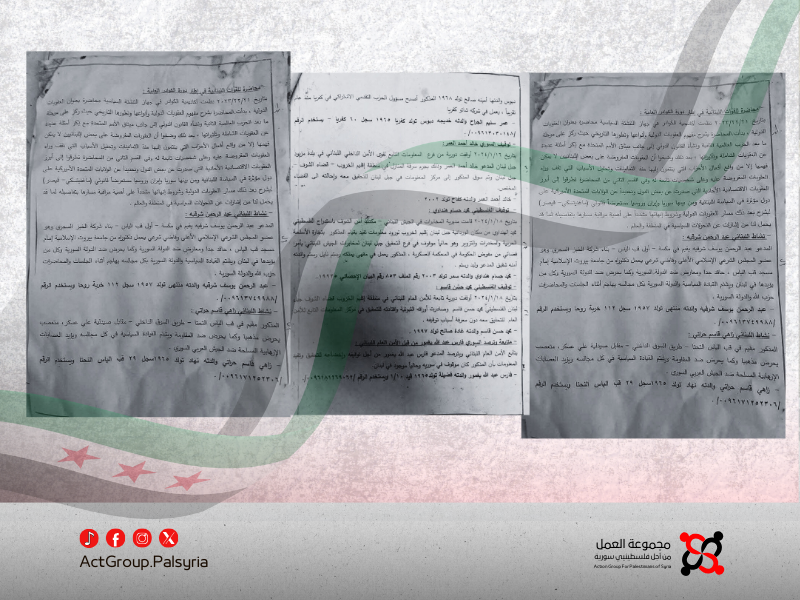
Activists have revealed leaked documents indicating the continuation of security cooperation between the Lebanese authorities and Syrian intelligence agencies until the final days before the fall of Bashar al-Assad’s regime in Damascus. These documents show that Lebanese security agencies submitted daily reports to the Syrian side regarding Lebanese, Syrian, and Palestinian citizens residing in Lebanon.
According to the documents, this cooperation included the arrest of a number of Palestinian refugees arriving from Syria in Lebanese territory, in direct coordination with Syrian regime agencies. Some security reports also included the names of Lebanese figures, including Sheikh Abdul Rahman Sharqieh, the imam and preacher of the town of Qab Elias in the Bekaa Valley, indicating that the cooperation was not limited to refugees or immigrants, but included Lebanese citizens as well.
Human rights activists believe that these practices raise serious questions about Lebanon’s compliance with its international obligations to protect refugees, especially since security coordination with a regime accused of committing serious violations against its citizens, including Palestinians and Syrians, constitutes a violation of the principle of non-refoulement, which guarantees refugees protection from persecution and extradition.
It is worth noting that security relations between Lebanon and the Syrian regime date back a long period that preceded the outbreak of the conflict in Syria in 2011. Damascus maintained extensive influence within Lebanese institutions during the period of Syrian military presence in Lebanon (1976-2005). Despite the withdrawal of Syrian forces, security coordination remained in place on several issues, particularly those related to refugees and political fugitives.
Sources indicate that the continuation of this approach even after the outbreak of the Syrian revolution contributed to the increased risks faced by Palestinian and Syrian refugees on Lebanese territory, as many of them found themselves vulnerable to arrest or forced deportation, in the absence of effective legal protection mechanisms.
Human rights activists are now calling for a transparent investigation into the contents of these documents, holding accountable those who contributed to the extradition or persecution of refugees, and ensuring that the Lebanese state adheres to international human rights standards, particularly the right of refugees to safety and freedom from persecution based on their opinions or affiliations.