

Working Group | Sweden
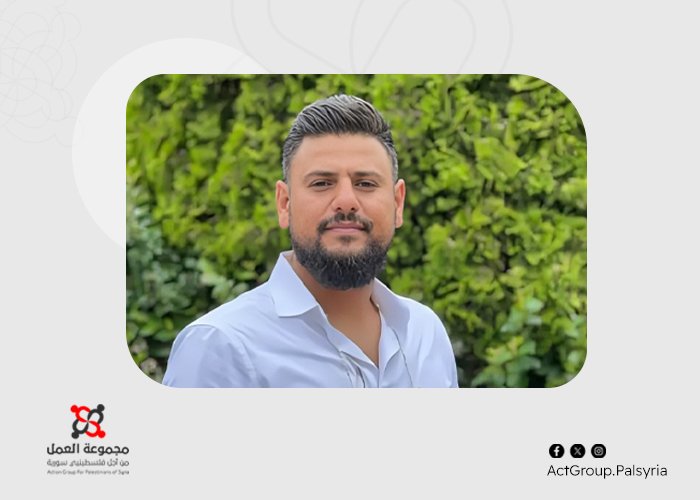
The young Syrian-Palestinian “Hossam Qassem” was nominated in Sweden for the “New Builders” award, which is presented by King Carl XVI Gustaf of Sweden, after successfully establishing a company that has become a competitor to other companies over the years, as it manufactures the ventilation materials needed by businesses.
Hossam, who came from the Yarmouk camp to Sweden in 2013, began his journey to success in Sweden after learning the language by studying in the field of blacksmithing and manufacturing. With the help of several friends at work, he proved his skills in one of the companies where he found a job. By the end of his first year of work, he became the manager and head of the manufacturing department in the company.
Hossam tells the Swedish website “Kompassen,” “We who came to Sweden are people who have an impact in this place. We are not troublemakers; we have experience and energy, but we need an opportunity. What I have achieved was not difficult for me; on the contrary, it was easy. I just looked for the keys, which are language, understanding the community, and working professionally. All a newcomer has to do is to learn these details, and they will surely succeed.”
After years of effort in the company, Hossam was able to build relationships in the work and business environment, which qualified him to take the initiative to establish his own company named Q>ventilation & service AB, which became the only company specializing in manufacturing for ventilation purposes.
Hossam says, “I am happy to be one of the nominees for the award, and what I have achieved is thanks to the collective effort in the company, not an individual one, in addition to my wife’s continuous support for me. I aspire for the company to be distinguished throughout Europe, not just in Sweden.”
Palestinian refugees face significant challenges in the integration process, similar to other refugees, the most prominent of which are language and cultural barriers, the difficulty in accepting their degrees and academic qualifications, the prevalence of stereotypes and discrimination, as well as the difficulty in securing suitable housing and accessing basic services. Many of them also suffer from psychological trauma due to the events they experienced in Syria and during the perilous migration journey.